Before there is a yield, there has to be someone who needs the home.
This market was not created by investors. It exists because England has more households in housing need than ever, are legally required to help them, and the homes they need are in short supply. Here is the story in six steps.
Housing need in England is at a record high.
At the end of March 2026, more households were living in than at any point on record, and the number is still rising.
Councils are required by law to find these households a home.
This is what makes the demand different. It does not start with the private rental market; it starts with councils' to households in housing need. The duty does not switch off when rents or house prices move.
Temporary accommodation is costing councils more every year.
Council spending on temporary accommodation rose by a quarter in a single year. Without action, it is projected to climb further by the end of the decade.
ACTUAL 3 £2.84bn
PROJECTED 4 £3.9bn
Transitional housing: a stable home on the way to independence.
Safe, ordinary houses for eligible households who need somewhere stable while they move towards greater independence. Residents are typically placed on standard 12-month and stay 18–24 months on average.
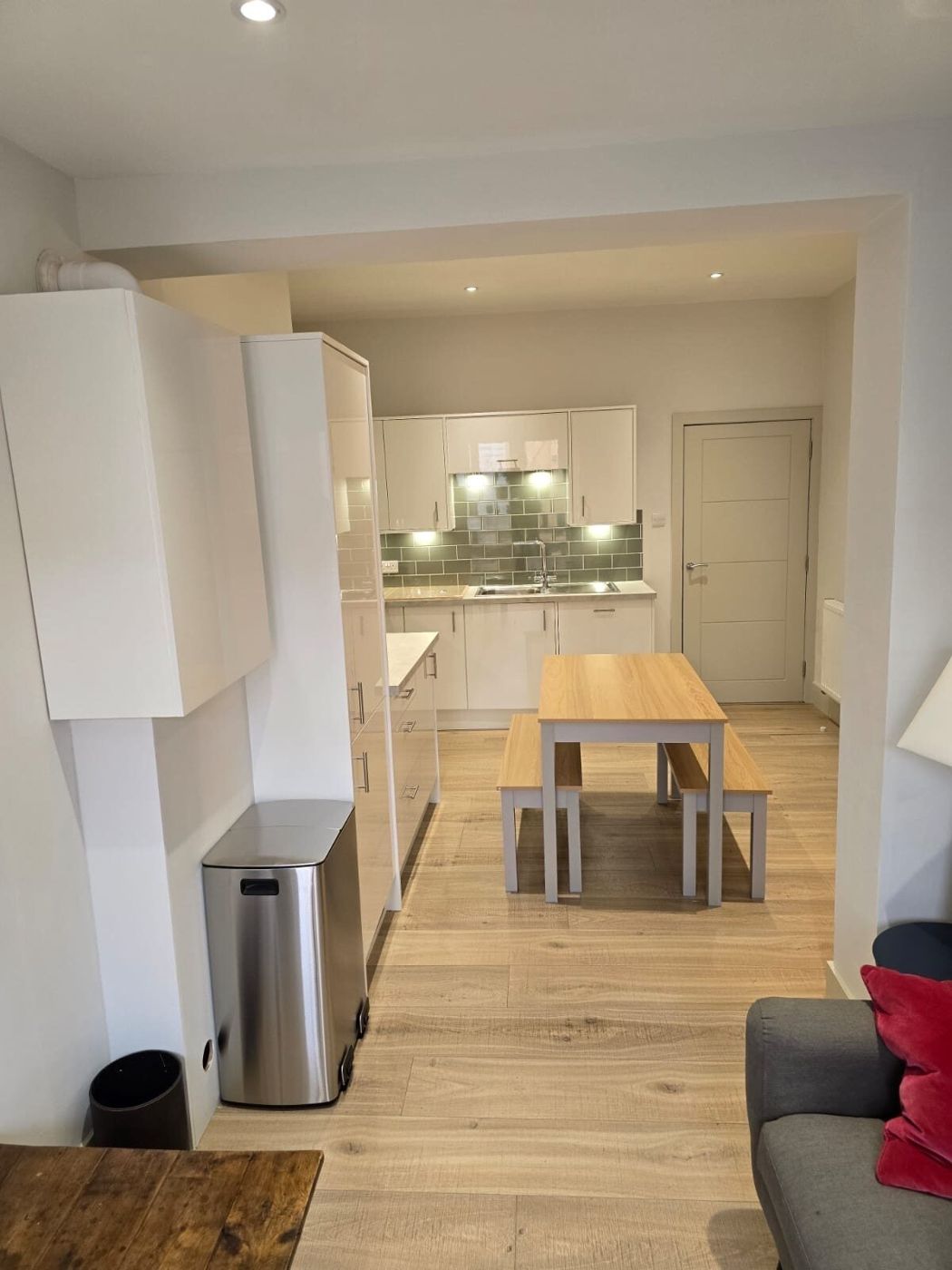 A real home, not a hostel room.
Councils need partners who can deliver compliant homes at scale.
With costs rising, councils look for compliant, professionally managed homes that give households a stable next step. Myshon's referrals team works with local authorities and support providers to place eligible residents.
At the same time, private landlords face more rules than ever: abolished, penalties of up to £40,000 and C required by 2030. Running homes for this need is specialist work. See how the responsibility moves to the operator →
From housing need to investor income.
- 01Housing need
- 02Local authority demand
- 03Suitable residential property
- 04Myshon referrals & placement
- 05Occupancy
- 06Housing income
- 07Investor income
Demand here is created by housing need, not the private rental cycle.
Income still depends on each home being occupied and well run, and on eligibility and funding rules, which is why Myshon's referral pipeline and operating record matter. Target returns and income are not guaranteed.
Sources and notes
1 MHCLG, Statutory homelessness in England: January to March 2026. 2 MHCLG, Local Authority Housing Statistics 2024–25. 3 MHCLG, Revenue outturn: housing services 2024–25 (as reported by Shelter, Sept 2025). 4 Local Government Association analysis, March 2026. Figures are for England. * Myshon Occupancy Analysis, 600 units over 12 months (May 2025). The house grid is an illustration of scale, rounded to the nearest 1,000 households.
Own the property. Understand the income.
Request the property pack for a home you like, and we introduce you to an independent broker or IFA who walks you through the numbers. No obligation.